Streamlining Inventory Management for Stick Pack Manufacturers
Understanding the Stick Pack Manufacturing Process
Overview of Stick Pack Assembly Techniques
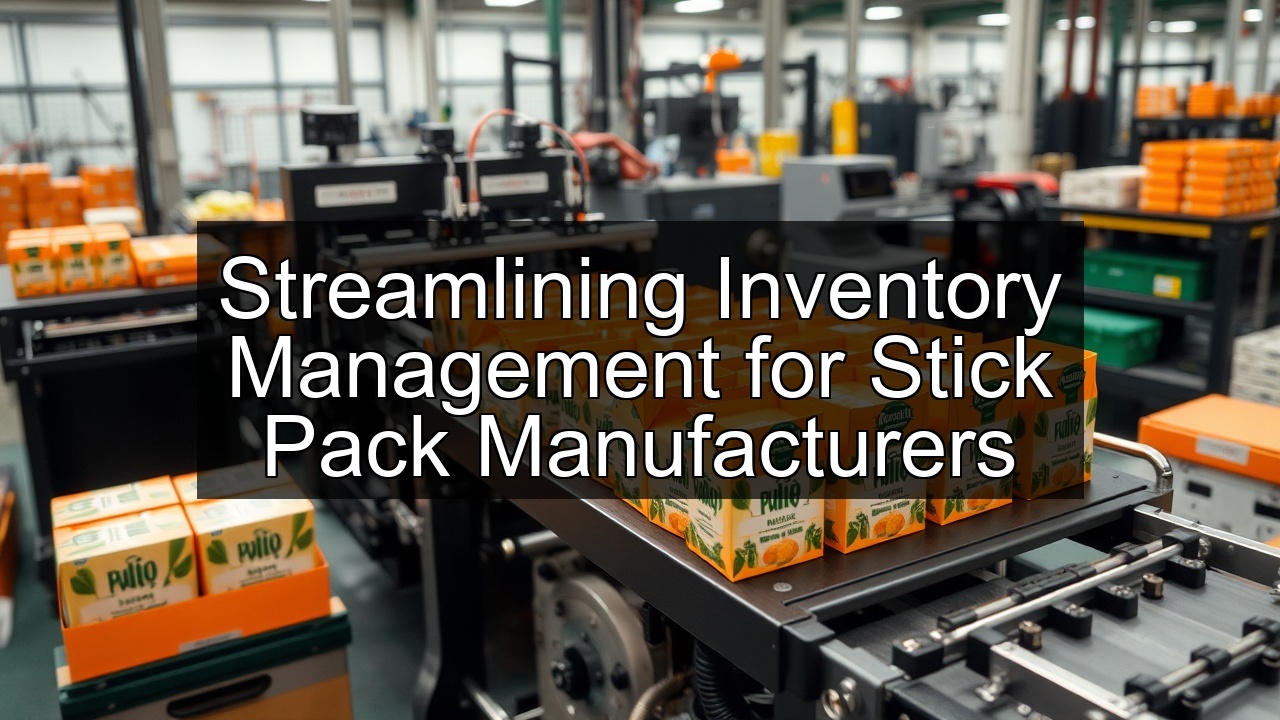
Stick pack manufacturing involves a precise assembly process that creates convenient, single-serving packages commonly used for nutritional supplements, beverages, and food products. The assembly techniques used in stick pack production typically include filling, sealing, and cutting, which require specialized machinery designed for high-speed operations. Manufacturers often employ vertical form-fill-seal (VFFS) machines to automate the process, allowing for efficient production and reduced labor costs. The stick pack design provides an excellent barrier against moisture and light, ensuring product freshness and extending shelf life. Innovation in assembly techniques continues to evolve, promoting speed and sustainability, which are crucial in the competitive packaging industry.
Key Players in the Stick Pack Industry
The stick pack industry features a diverse array of players, from raw material suppliers to contract manufacturers and brand owners. Leading stick pack manufacturers focus on innovation and quality, partnering with brands to create customized packaging solutions that meet specific market demands. Notable companies in this sector include those specializing in nutraceuticals and dietary supplements, which rely heavily on stick pack formats for their portability and ease of use. Additionally, collaboration among packaging suppliers, design firms, and logistics providers enhances the overall efficiency and effectiveness of the stick pack supply chain, ensuring timely delivery and high standards of quality assurance.
Innovations in Stick Pack Production
Innovation drives the stick pack manufacturing sector, leading to advancements that improve production efficiency and product quality. Recent developments include the integration of smart technology into manufacturing processes, such as IoT-enabled machines that allow real-time monitoring and data analysis. This technology helps manufacturers optimize operations by predicting maintenance needs and reducing downtime. Moreover, advancements in packaging materials have led to eco-friendly options that align with sustainability goals, appealing to environmentally-conscious consumers. As brands increasingly prioritize sustainability, innovations in stick pack production not only enhance operational efficiency but also foster a positive brand image in a competitive market.
Enhancing Inventory Management for Stick Pack Manufacturers
The Role of Technology in Inventory Tracking
Technology plays a vital role in enhancing inventory management for stick pack manufacturers. Implementing advanced inventory tracking systems, such as barcode scanning and RFID technology, streamlines the process of monitoring stock levels, orders, and shipments. These systems provide real-time data, enabling manufacturers to make informed decisions about restocking and production schedules. By automating inventory management, manufacturers reduce human error and improve accuracy, which is critical in maintaining compliance with FDA regulations and quality assurance standards. Additionally, integrating inventory management software with existing ERP systems allows for easier forecasting and more efficient supply chain management, ultimately leading to cost savings and improved operational efficiency.
Best Practices for Supply Chain Management
Effective supply chain management is essential for stick pack manufacturers to optimize inventory and reduce costs. Implementing best practices such as demand forecasting, vendor management, and just-in-time (JIT) inventory can greatly enhance operational efficiency. Manufacturers should collaborate closely with suppliers to ensure timely delivery of raw materials, which is crucial in the fast-paced stick pack business. Regularly reviewing and analyzing inventory turnover rates allows companies to manufacturing stick pack identify slow-moving products and adjust production schedules accordingly. Additionally, fostering strong relationships with logistics partners ensures that products reach market swiftly, maintaining brand reputation and customer satisfaction. This proactive approach to supply chain management ultimately positions stick pack manufacturers for long-term success.
Contract Manufacturing and Inventory Optimization
Contract manufacturing offers stick pack producers a strategic advantage in optimizing inventory and production processes. By partnering with contract manufacturers, companies can leverage specialized expertise and resources without the overhead costs associated with in-house production. This approach allows manufacturers to focus on branding and marketing while ensuring high-quality production of stick pack products. Effective inventory optimization through contract manufacturing involves clear communication of demand forecasts and production schedules to ensure that materials are available when needed. Additionally, this partnership can enhance flexibility, enabling brands to quickly adapt to changing market trends and consumer preferences, ensuring they remain competitive in the evolving packaging industries.
Ensuring Quality and Compliance in Stick Pack Production
FDA Regulations and Compliance Standards
Adhering to FDA regulations and compliance standards is critical for stick pack manufacturers, especially those producing nutraceuticals and nutritional supplements. These regulations ensure that products meet safety and labeling requirements, which directly impact consumer trust and brand reputation. Manufacturers must stay informed about current guidelines regarding ingredient safety, labeling accuracy, and good manufacturing practices (GMP). Regular audits and quality control measures help maintain compliance while fostering a culture of quality assurance within the organization. By prioritizing regulatory adherence, stick pack manufacturers can mitigate risks and enhance their credibility in a competitive market.
Quality Assurance Strategies in Nutraceuticals
Implementing effective quality assurance strategies in stick pack production is essential for manufacturers, particularly in the nutraceutical sector. These strategies involve rigorous testing of raw materials, in-process checks during production, and final product evaluations to ensure consistency and quality. Manufacturers should invest in state-of-the-art testing equipment and trained personnel to conduct thorough evaluations. Additionally, adopting a quality management system (QMS) can help streamline processes and improve documentation, ensuring compliance with industry standards. Focusing on quality assurance not only protects consumer health but also strengthens stick pack assembly brand loyalty, as customers increasingly seek reliable, high-quality nutritional supplements.
Sustainability in Packaging Materials and Processes
Sustainability has become a crucial aspect of stick pack manufacturing, influencing both packaging materials and production processes. Manufacturers increasingly opt for eco-friendly materials, such as biodegradable films and recyclable packaging, to meet consumer demand for sustainable products. Innovations in materials science enable the development of packaging that minimizes environmental impact while maintaining product integrity. Furthermore, optimizing production processes by reducing waste and energy consumption contributes to sustainability goals. By prioritizing sustainability, stick pack manufacturers not only enhance their brand image but also align with global efforts toward environmental responsibility, appealing to conscious consumers and retailers alike.
Branding and Marketing Strategies for Stick Pack Products
Private Label Opportunities in the Packaging Industry
Private label opportunities present significant growth potential for stick pack manufacturers in the packaging industry. Retailers often seek to expand their product lines by offering private label nutritional supplements and food products, allowing them to differentiate themselves in a crowded market. Manufacturers can collaborate with retailers to create custom stick pack designs and formulations that align with brand values and consumer preferences. This partnership not only helps retailers enhance their offerings but also allows manufacturers to diversify their client base and increase production volume. Embracing private label opportunities can lead to mutual benefits, fostering innovation and expanding market reach for both parties.
Effective Branding for Nutritional Supplements
Effective branding is essential for stick pack products, particularly in the competitive nutritional supplement market. Clear and compelling branding communicates the value and benefits of the product, distinguishing it from competitors. Key elements of successful branding include a memorable logo, cohesive packaging design, and targeted messaging that resonates with consumers. Manufacturers should conduct market research to identify target demographics and tailor branding strategies accordingly. In addition, leveraging social media and influencer marketing can amplify brand awareness and attract new customers. A strong brand presence not only drives consumer loyalty but also enhances sales, positioning stick pack products for sustainable growth.
The Importance of Packaging and Labeling in Consumer Perception
Packaging and labeling play a pivotal role in shaping consumer perception of stick pack products. Attractive and informative packaging can significantly influence purchasing decisions, making it essential for manufacturers to prioritize design and clarity. Packaging should not only protect the product but also convey essential information, such as nutritional content, usage instructions, and compliance with regulatory standards. Utilizing eye-catching graphics and colors can enhance shelf appeal, while transparent labeling fosters trust with consumers. By investing in high-quality packaging and thoughtful labeling, stick pack manufacturers can improve brand perception and drive sales in a competitive marketplace.